Cost Segregation Studies: How Real Estate Owners Can Accelerate Tax Savings
When you purchase a rental or commercial property, you generally cannot deduct the entire cost of the building immediately. Residential rental property is typically depreciated over 27.5 years, while commercial buildings are generally depreciated over 39 years.
A cost segregation study can potentially move some of those deductions into much earlier years.
What Is a Cost Segregation Study?
A cost segregation study breaks a building into its individual components and identifies costs that can be depreciated over shorter periods.
Instead of treating nearly everything as part of the 27.5- or 39-year building, certain components may qualify as 5-, 7-, or 15-year property.
This can include items such as certain flooring, cabinetry, specialty electrical systems, landscaping, parking areas, and other building components.
Land itself is not depreciable.
Purchased or Renovated a Property?
Cost segregation is not limited to newly purchased buildings.
A study may be useful when you:
Purchase an existing property
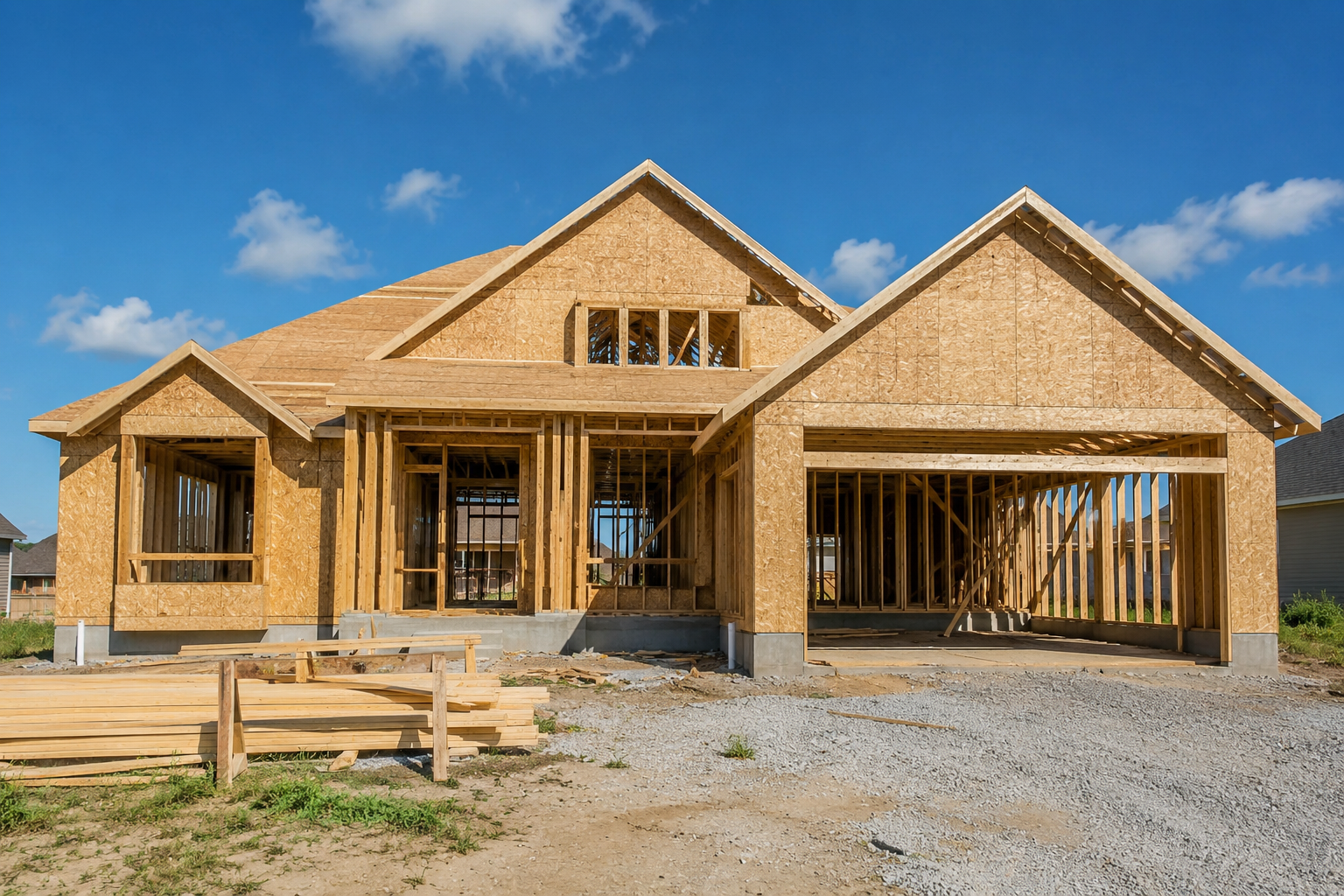
Construct a new building
Renovate or remodel an existing property
Make a significant addition or improvement
The IRS specifically recognizes cost segregation studies for both acquired and newly constructed property, including remodels and additions to existing buildings.
That means a major renovation may create another opportunity to identify shorter-lived assets and accelerate depreciation.
Why Does Cost Segregation Matter?
The shorter depreciation periods can produce larger deductions earlier in the property's life.
Property with a recovery period of 20 years or less may also qualify for 100% bonus depreciation under current federal law, allowing qualifying costs to potentially be deducted immediately.
Example
Assume you purchase a rental property and have an $800,000 depreciable basis after allocating the purchase price between the building and land.
A cost segregation study identifies $200,000 as qualifying shorter-lived property.
If the entire $200,000 qualifies for 100% bonus depreciation, you may be able to deduct that amount immediately for federal tax purposes rather than depreciating it over 27.5 years.
The remaining building basis continues to be depreciated normally.
Don’t Forget About State Taxes
Your federal deduction is not necessarily your state deduction.
States have their own depreciation rules, and some do not fully follow the federal bonus depreciation rules.
Minnesota is a good example.
Under current Minnesota law, most federal bonus depreciation requires an 80% addition, followed by deductions equal to one-fifth of that addition over the next five tax years.
Using our $200,000 example:
Federal
Immediate bonus depreciation: $200,000
Minnesota
Federal bonus depreciation: $200,000
80% Minnesota addback: $160,000
The $160,000 addition is then generally recovered through $32,000 subtractions over each of the following five years.
So the federal and Minnesota tax benefits can look significantly different even though they relate to the same property.
Is It Too Late to Do a Cost Segregation Study?
Not necessarily.
You may be able to perform a look-back cost segregation study even if you purchased the property several years ago and have already been depreciating it.
Instead of going back and amending years of tax returns, the change can often be made by filing Form 3115, Application for Change in Accounting Method.
A Section 481(a) adjustment can then account for depreciation you should have already received under the new depreciation method. When the adjustment results in additional allowable depreciation, it can generally reduce taxable income in the year of the change.
State treatment still needs to be considered. For example, Minnesota specifically provides that the portion of a Section 481 adjustment attributable to bonus depreciation may also be subject to Minnesota's bonus depreciation addback.
So purchasing the property several years ago does not necessarily mean you missed the opportunity to benefit from cost segregation.
Is a Cost Segregation Study Worth It?
Cost segregation tends to be more valuable when you:
Own a higher-value rental or commercial property
Recently purchased, constructed, or substantially renovated a property
Expect to hold the property for several years
Have taxable income that can benefit from accelerated depreciation
Passive activity loss rules, depreciation recapture, your expected holding period, and state tax treatment should also be considered before deciding whether a study makes sense.
Cost segregation studies can range from roughly $700 to $6,000 or more, depending on the size and complexity of the property, so the expected tax benefit should be weighed against the cost of the study.
Considering a Cost Segregation Study?
A large depreciation deduction does not automatically mean a cost segregation study is the right move.
Sharp Tax & Accounting can help you evaluate whether a cost segregation study makes sense for your property and determine how the resulting deductions will affect both your federal and state taxes.
This article provides general tax information and is not intended as individualized tax, legal, or financial advice. Tax treatment depends on the specific facts and circumstances of each situation.